Finding D&D Players Takes Time, Not Magic
One thing I have learned from running tabletop games is this:
Finding players for a long-term D&D campaign is rarely instant.
A lot of people imagine that if they post their campaign idea, interested players will just appear, form a perfect party, and commit for months. In reality, it usually does not work like that. Most of the time, building a good group takes time, patience, effort, and honestly, a bit of luck.
I wanted to share this because I have spoken to quite a few people who feel discouraged when nobody jumps into their campaign right away. It can feel personal. It can make you wonder if your idea is bad, if your setting is not interesting, or if people just do not like your style. But from my experience, that usually is not the real reason.
Very often, people are simply hesitant to commit to something unknown.
People Are Not Always Rejecting You
When someone does not join your campaign, it does not necessarily mean they think your game is bad.
For a lot of players, especially quieter or more introverted ones, joining a brand new campaign with a GM they do not know can be intimidating. Even if the campaign sounds cool, there is still uncertainty. What is the GM like? What is the table vibe like? Will the group get along? Will the session be awkward? Will the tone match what they enjoy?
For many players, that uncertainty is enough to stop them from signing up.
This is something I think a lot of GMs forget. Players are not only choosing a game. They are choosing a social space, a group dynamic, and a weekly or monthly commitment. That can be a lot to ask from someone who has never played with you before.
One-Shots Help Build Trust
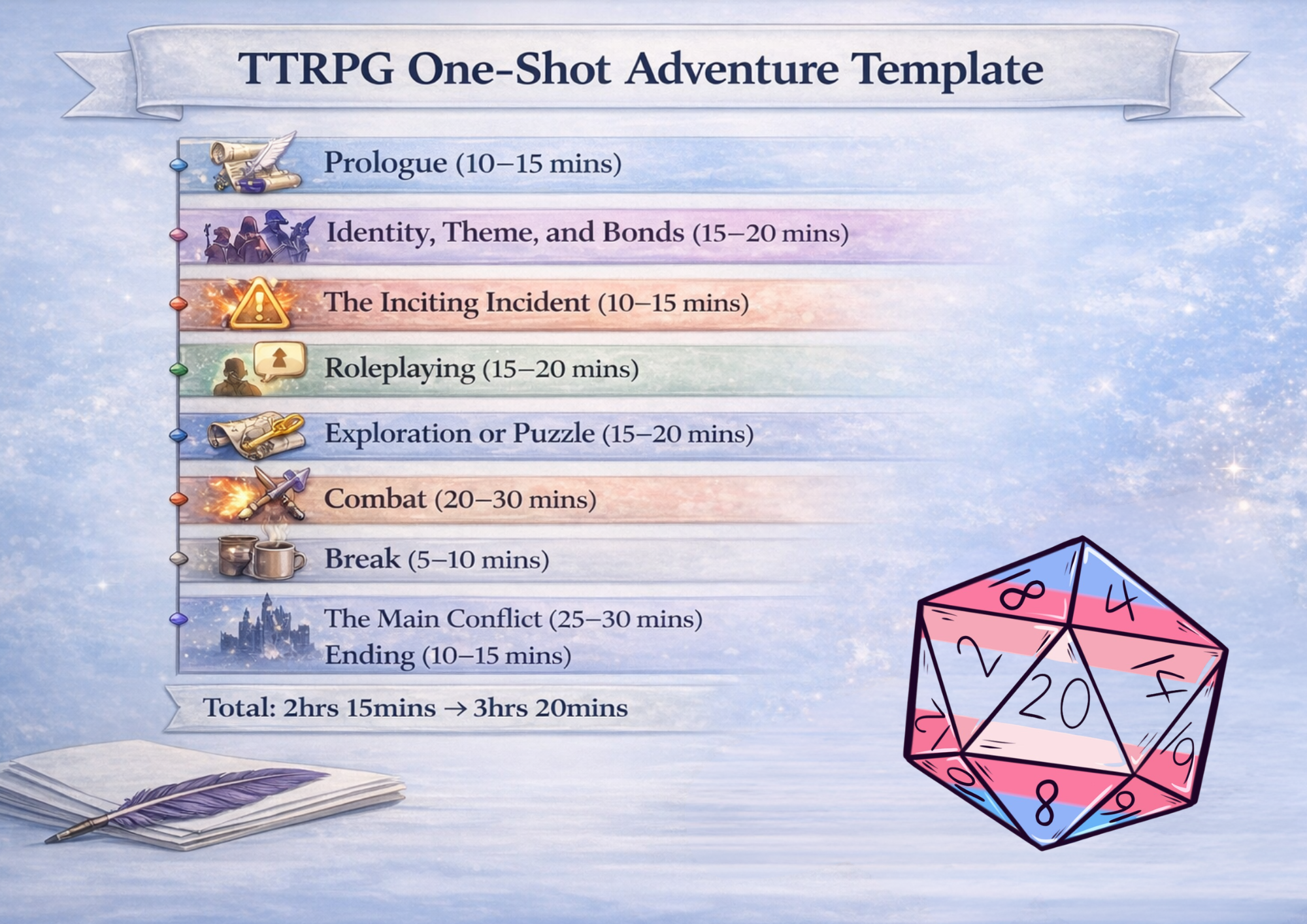
One of the best ways I found to solve this was by running one-shots first.
Short games are much easier for people to say yes to. There is less pressure, less commitment, and less fear of being stuck in something long-term that may not be a good fit. A one-shot gives people a chance to try your GM style, see how you handle pacing and storytelling, and get a feel for the kind of atmosphere you create at the table.
That is how I found many of the players for my longer campaigns.
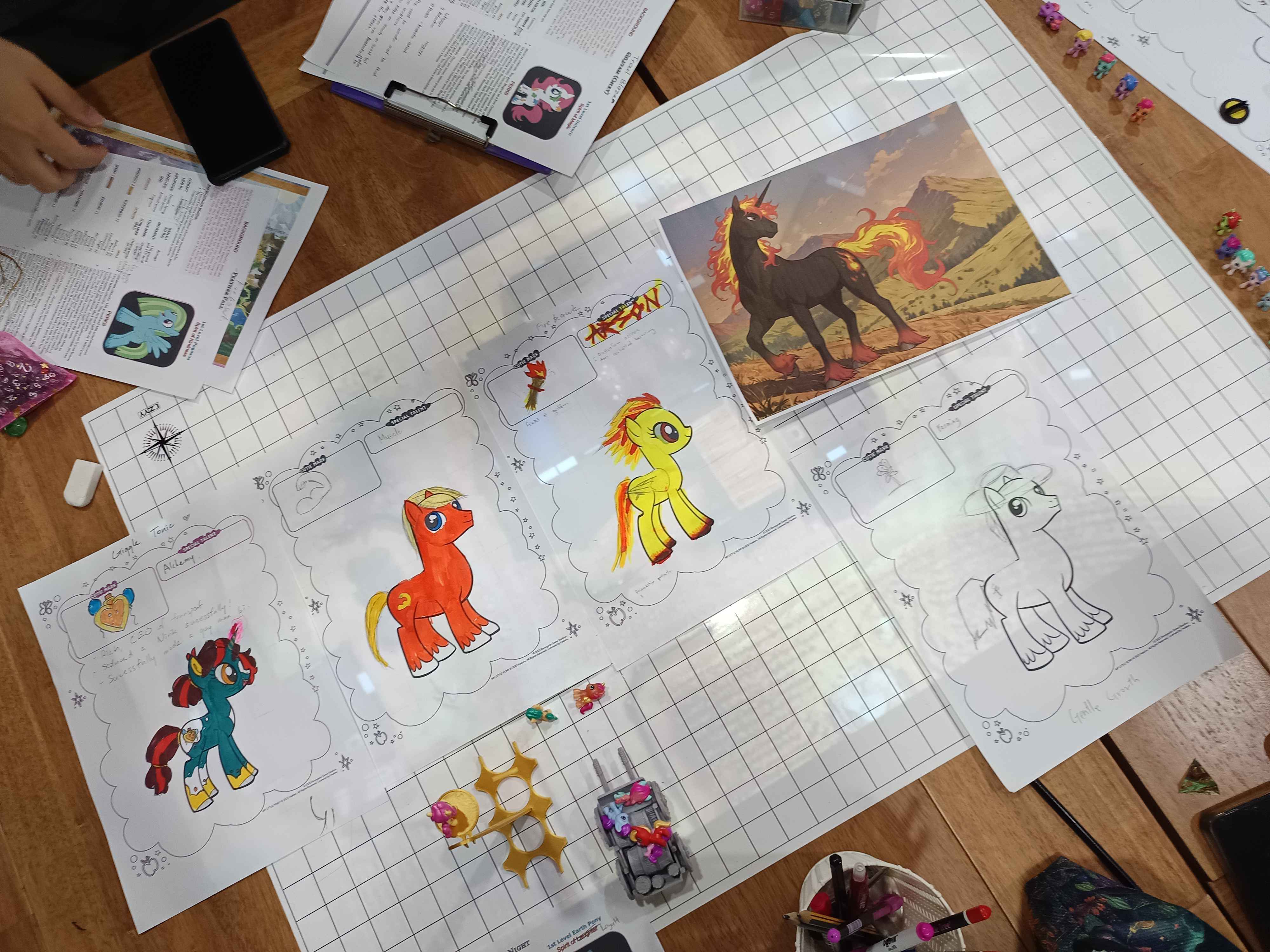
I did not magically gather the perfect party in one go. I ran a lot of different sessions in different places, with different people, until I slowly found the ones who clicked with my style. Some came from other campaigns. Some joined after seeing me post games in public spaces. Some tried one of my one-shots, enjoyed it, and later became part of something bigger.
That is why I often tell new GMs this: if you want a campaign, start by building confidence. Let people try you first.
The Right Group Is Usually Built, Not Found
A strong campaign group often comes together piece by piece.
In my own experience, players came from all kinds of places. One joined because they had played with me before and already knew what my games were like. Another found me through public community posts and decided to give a session a try. Another came through a one-shot and stayed because we clicked immediately. Another joined because they happened to like the exact setting I was running and wanted more after a trial game.
None of that happened overnight.
The point is that a long-term group usually grows organically. It is not always about making one perfect recruitment post. It is about creating enough opportunities for the right people to cross paths with your table.
Every GM Has Strengths and Weaknesses
Another thing worth remembering is that every GM has their own pros and cons.
No GM is going to be the perfect fit for every player. Some people love tactical combat. Some want heavy roleplay. Some enjoy deep lore. Some want chaos, jokes, and wild character moments. Even if you are a good GM, there will always be players who are looking for something different.
That is normal.
I know my own style has strengths and weaknesses too. There are things I do well, and there are things I keep trying to improve. But what helped me stand out was leaning into the things I do bring to the table. For example, I try to incorporate player stories into the world and pay attention to the kinds of playstyles my players enjoy. That helped me find people who appreciated what I had to offer.
You do not need to be everything for everyone. You just need to find the players who enjoy what you do.
Sometimes You Need Friends, Not Just Players
This might be the biggest lesson I have learned.
For campaign-style games especially, it is often better to look for friends rather than just players.
What I mean by that is this: a long campaign works best when the people involved enjoy each other beyond the dice rolls. They are not just showing up to mechanically complete a session. They are excited to talk before the game, joke around in chat, discuss theories after the session, and share that sense of ongoing involvement.
When people see the campaign as more than just another scheduled activity, they are much more likely to stay invested.
If someone treats the game like a chore, eventually they may stop making time for it. But if they genuinely enjoy the group, the conversations, and the shared experience, the campaign becomes something they want to keep returning to.
That is why chemistry matters so much. A good campaign is not built only on plot. It is built on people.
It Takes Time, and Sometimes Luck
I think this is the part people do not always want to hear, but it is true.
It takes time to find the right people.
Sometimes it also takes luck.
You can do a lot of things right and still not have the perfect group immediately. That does not mean you are failing. It just means group-building is a process. The right players are not always available at the same time. Some are busy, some are shy, some are already committed elsewhere, and some simply have not crossed paths with your table yet.
Keep going.
Run more games. Meet more people. Let your style speak for itself over time.
Another Path: Join Games First
If you are struggling to recruit players for your own campaign, there is another option worth considering.
Join games first.
By becoming a player in other people’s sessions, you naturally meet others who enjoy the hobby and may be looking for more opportunities. It is one of the easiest ways to build connections within a community. People who enjoy playing with you in one game may later be interested in joining something you run.
Sometimes the fastest way to build your future table is by first sitting at someone else’s.
Conclusion
If you are trying to build a D&D campaign and nobody is joining right away, do not lose heart.
It does not mean your world is bad.
It does not mean your story is bad.
It does not mean you are a bad GM.
More often than not, it just means people need time, familiarity, and trust.
Start smaller if needed. Run one-shots. Let people get to know your style. Be patient. Focus on finding the right people, not just any people. And remember that the best campaigns are usually not formed instantly. They are built session by session, connection by connection.
Good groups are not summoned.
They are grown.